Entry · Ref Q74S6P5X
Seasonal Roof Care: What Homeowners Should Watch For
- Posted
- 2026-11-11
- Last amended
- 2026-11-11
- Account
- @shinglesense
A roof works quietly through every season, shielding a home from sun, wind, and rain. Most homeowners give it little thought until a stain appears on the ceiling or a draft creeps through the attic. By then, small issues have often grown into expensive repairs. A few simple checks, done at the right time of year, can keep a roof in good shape and avoid surprises. This article outlines what to look for as the seasons change and why each point matters.
Spring: Clearing the Winter Debris
Winter can leave a roof looking rough. Ice, wind, and falling branches often scatter debris across the surface and into gutters. As spring arrives, it is a good time to inspect the roof for damage that may have happened during the colder months.
Check for Loose or Damaged Shingles
Strong winter winds can lift shingles or crack them. Loose shingles leave the underlying layers exposed to moisture. Over time, water can seep into the decking and cause rot. A quick visual inspection from the ground, using binoculars if needed, can reveal missing or curling shingles. Any damaged shingles should be replaced before spring rains arrive.
Clean Gutters and Downspouts
Gutters often fill with leaves, twigs, and grit during winter. When gutters are clogged, water backs up and can overflow behind the fascia board or seep under the roof edge. This can damage the roof deck and even the foundation. Clearing gutters and downspouts allows water to flow freely away from the house. Pay special attention to areas where valleys meet the gutter line, as debris tends to collect there.
Inspect Flashing and Seals
Flashing is the metal or rubber material that seals joints around chimneys, vents, and skylights. Over time, the sealant can crack or pull away. Loose flashing creates an opening for water and pests. Spring is a good moment to check these areas for gaps or rust. If the sealant looks brittle or missing, it should be reapplied by a professional.
READY ROOFING, LLC is also on Pinterest.
Summer: Heat and Storm Preparation
Summer brings intense sun, heat, and often thunderstorms. The combination can stress roofing materials in different ways. A mid-year inspection can catch issues before storm season peaks.
Look for Moss and Algae Growth
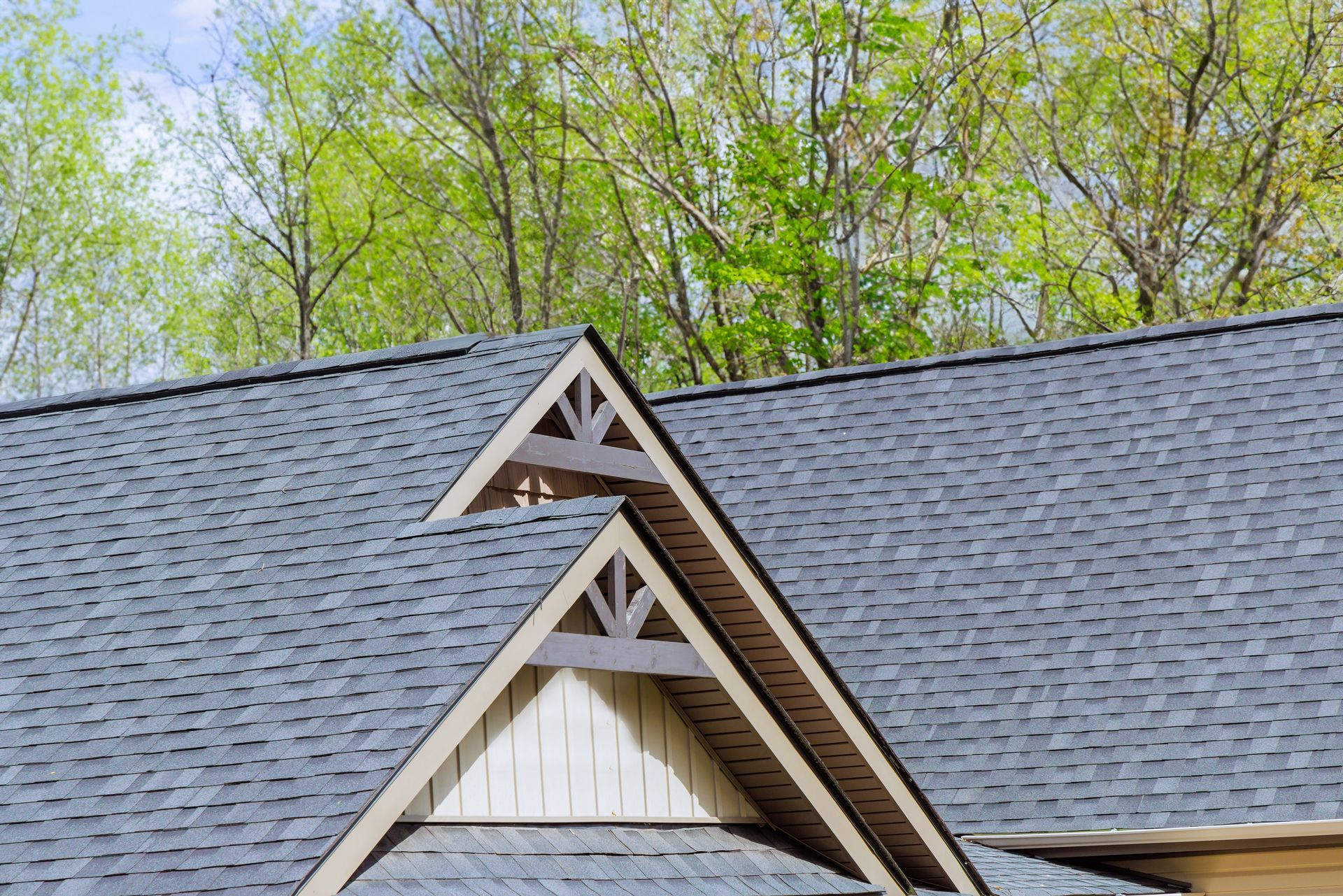
Moss growth and algae staining are common in humid climates. These organisms trap moisture against the roof surface, which can accelerate the breakdown of asphalt shingles and lead to rot in wood. Moss also holds debris, further blocking drainage. If you spot green patches on the roof, it is best to have them cleaned gently. Avoid pressure washing, which can force water under shingles. A soft brush and a mild cleaning solution are safer.
Examine Roof Valleys
Valleys are the V-shaped channels where two roof slopes meet. They channel rainwater toward the gutters. A blocked valley, caused by leaves or broken branches, can cause water to pool and find its way under the shingles. During summer storms, this can lead to interior leaks. Keep valleys clear of debris and check that the metal flashing in the valley is not rusted or punctured.
Check for Heat Damage
Prolonged exposure to intense sun can cause shingles to blister, crack, or lose granules. Granules protect the asphalt from UV rays. When they wear away, the shingle becomes brittle and more prone to cracking. Look for bare spots or curling edges on shingles. If large areas are affected, it may be time to plan for a roof replacement.
Fall: Preparing for Winter
Fall is the ideal season for a thorough roof inspection. The weather is mild, and any repairs made now will hold through the cold months. This is also the time to ensure the roof can handle the weight of snow and ice.
Inspect the Attic for Leaks and Ventilation
Before winter arrives, go into the attic with a flashlight. Look for water stains, mold, or damp insulation. These are signs of a slow leak. Also check that the attic is properly ventilated. Good airflow prevents ice dams from forming on the roof edge in winter. Ice dams occur when warm air from the attic melts snow on the roof, which then refreezes at the cold eaves. The trapped water can back up under the shingles. Proper insulation and ventilation help prevent this.
Check Roof Drainage Systems
Gutter debris and downspout blockages are more than a spring problem. In fall, leaves from deciduous trees can quickly fill gutters. If gutters are not cleared before winter, ice can form in them and cause sagging or detachment. Ensure that downspouts direct water at least a few feet away from the foundation. This protects both the roof and the basement.
Secure Loose Items on the Roof
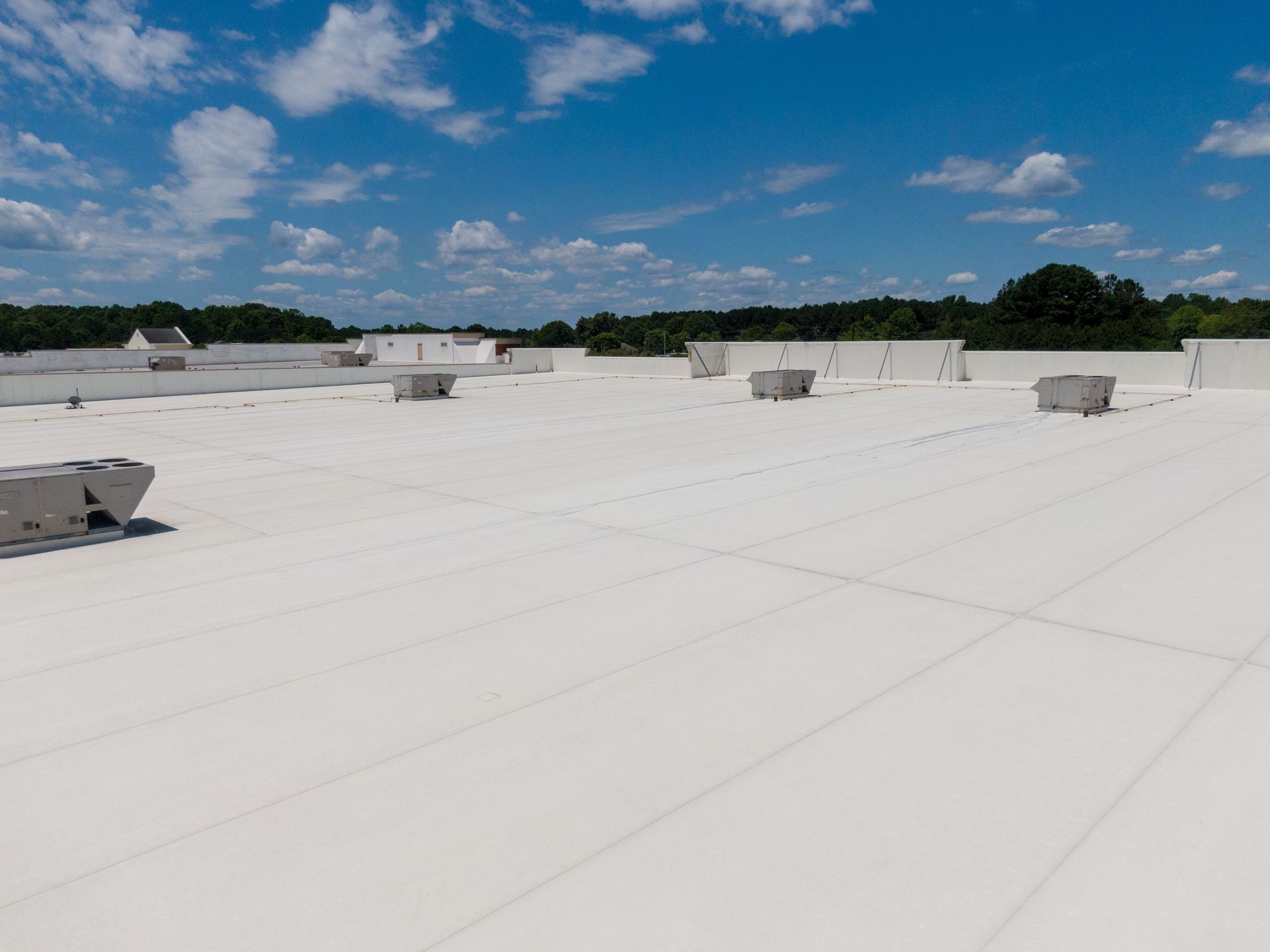
Antennas, satellite dishes, and vent caps can become loose over time. Strong winter winds can tear them off, damaging the roof surface. Check that all attachments are firmly secured and that their rubber boots or seals are intact. Replace any cracked boots before cold weather sets in.
Winter: Monitoring and Damage Control
Winter is mostly about monitoring. Getting on a snowy or icy roof is dangerous and not recommended. Instead, watch for problems from inside the house and from the ground.
Watch for Ice Dams and Icicles
Large icicles hanging from the eaves are a sign of an ice dam. Ice dams lift shingles and force water under them, leading to leaks. If you see icicles, it means the attic is losing heat. Improving attic insulation and sealing air leaks around pipes and ducts can reduce the problem.
Monitor for Leaks After Heavy Snow or Rain
After a storm, check the attic and upper floor ceilings for any new stains or drips. Early detection of a leak can prevent damage to insulation, drywall, and electrical systems. If you find a leak, it is usually best to call a professional for repairs once the weather permits.
Professional Inspections
Some issues are hard to spot from the ground. A professional roofer can safely access the roof and inspect areas that a homeowner cannot see. They can check for hidden damage around flashing, vents, and chimney bases. They can also evaluate the overall condition of the roof and estimate how many years it has left.
For homeowners in Northern Florida, seasonal storms and humidity add extra stress to roofing systems. A professional inspection can catch problems early, saving time and money in the long run. READY ROOFING, LLC provides residential and commercial roof repairs, replacements, inspections, and storm damage restoration across Northern Florida. Having a trusted expert assess the roof each year is a wise part of any home maintenance plan.

Roof care does not have to be complicated. A few focused inspections each season can keep a roof performing well for decades. Pay attention to the details: clear gutters, secure flashing, and address moss growth or algae staining early. When in doubt, call a professional. Regular attention to roof maintenance protects not just the shingles but the entire home beneath them.
If you need professional help, READY ROOFING, LLC is located at 5105 Philips Hwy Ste 205, Jacksonville, FL 32207, USA, and can be reached at +1 904-404-9849. They provide residential and commercial roof repairs, replacements, inspections, and storm damage restoration across Northern Florida.